


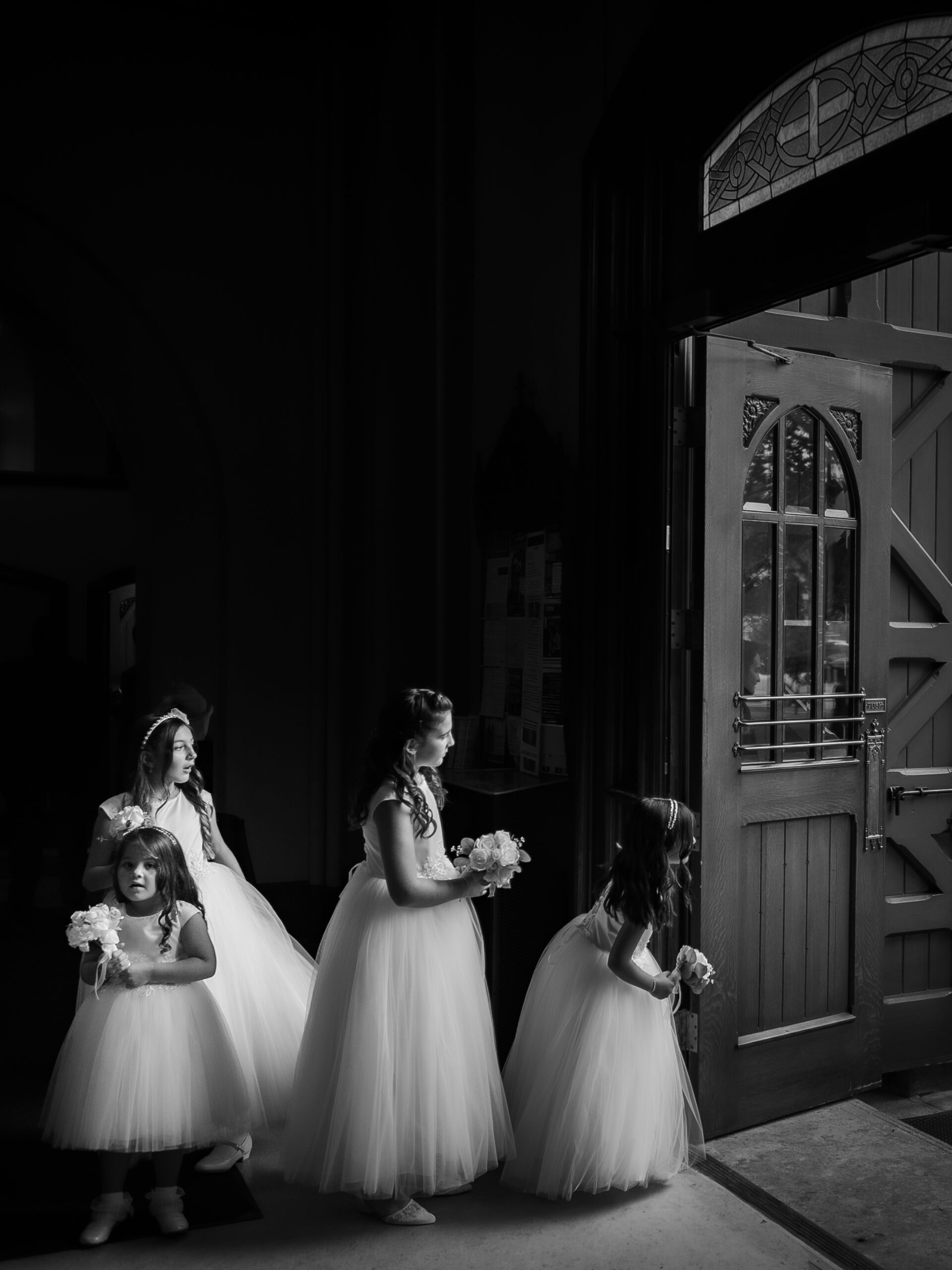


The ideal wedding photographer can move between two different roles.
Sometimes you need direction.
For example:
“Let’s move over here for a few portraits.”
“Can I have your parents join you?”
“Let’s make sure we get this family combination.”
“Let’s take five minutes together before we head back to the reception.”
That direction is useful.
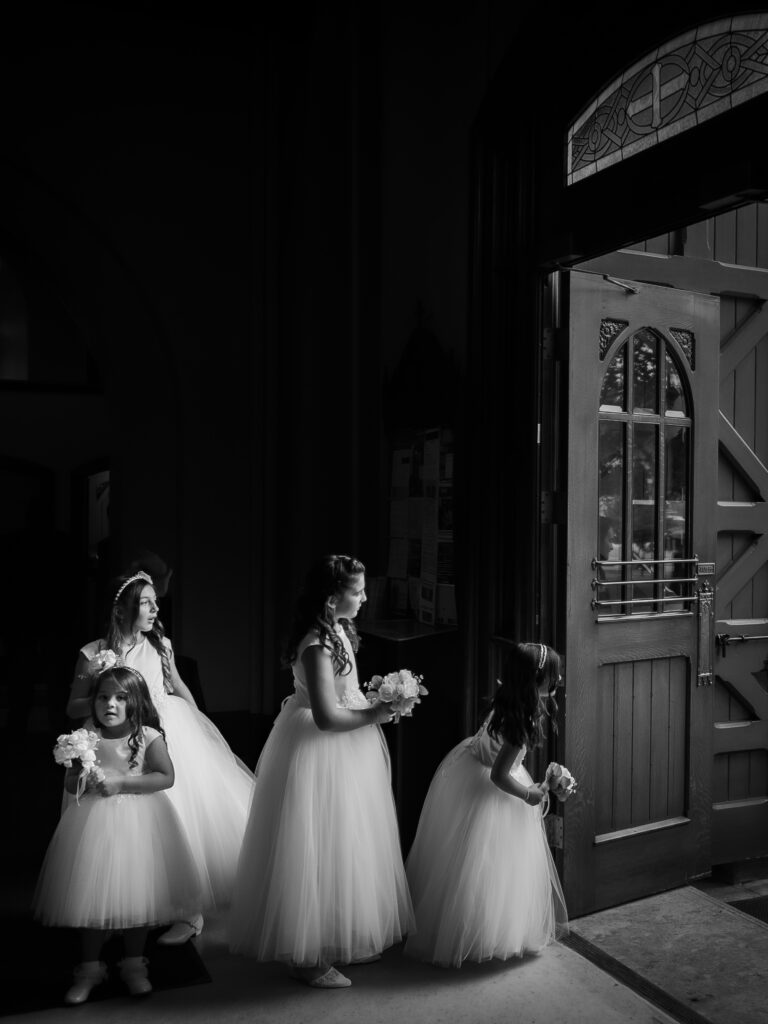
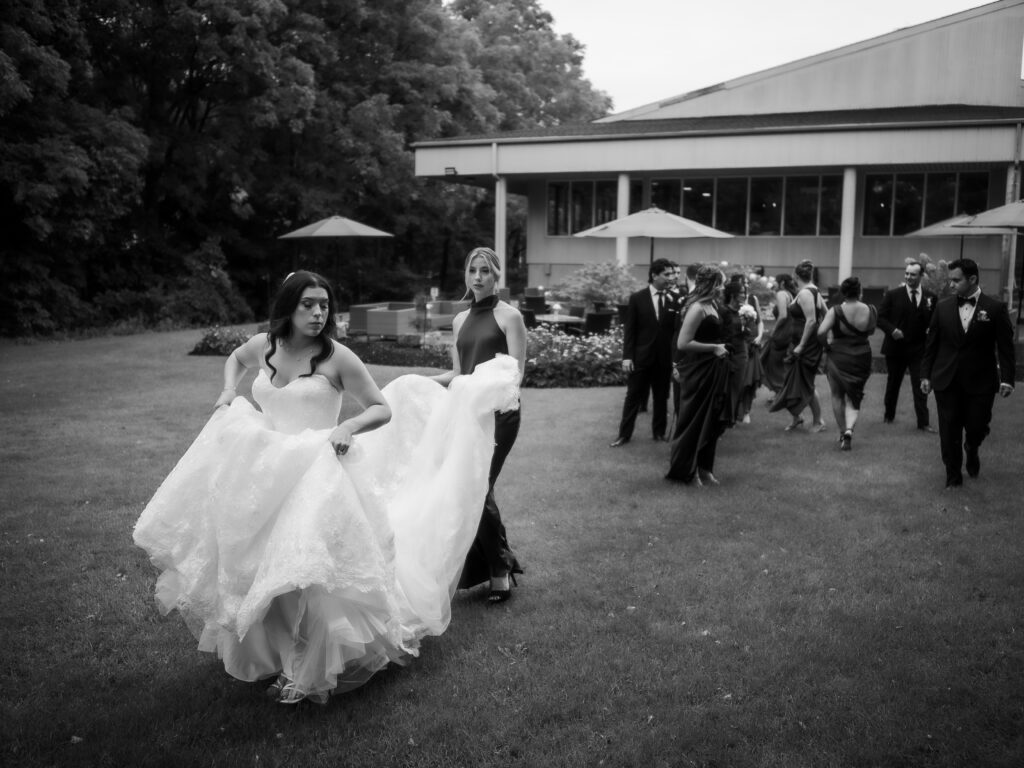
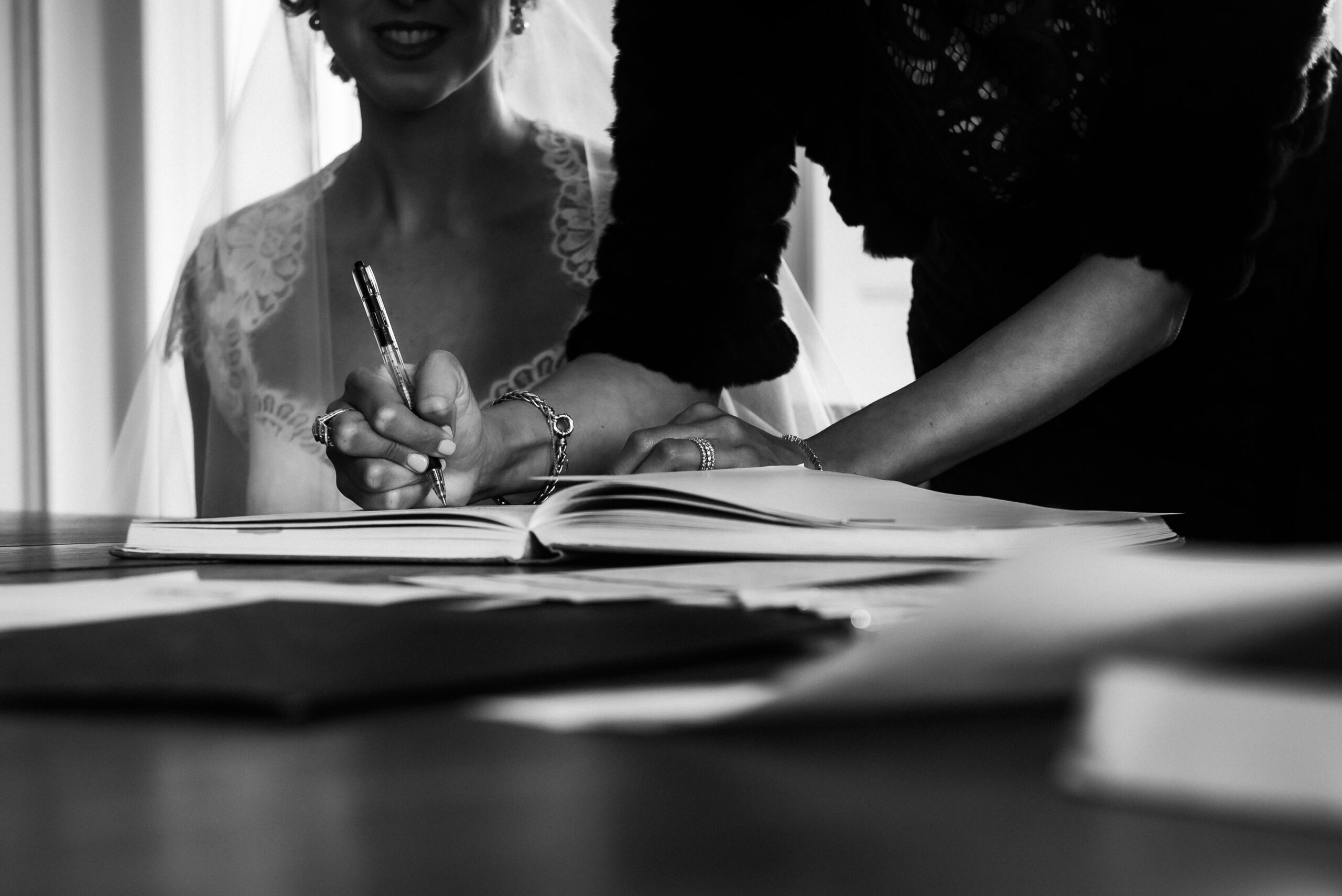
But there are other moments when the photographer should disappear into the background.
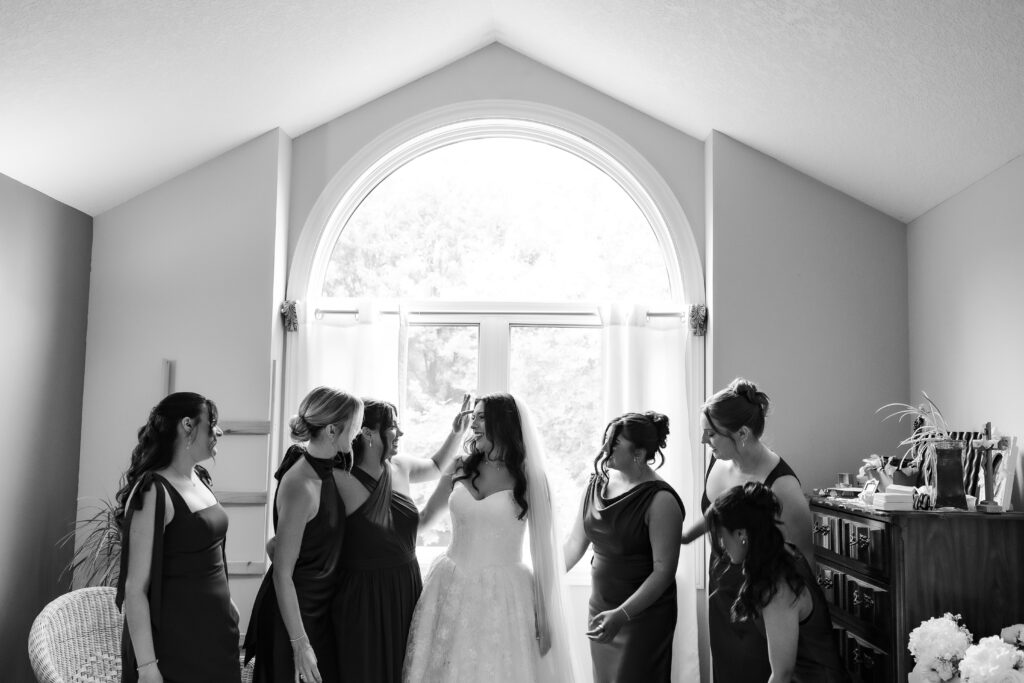
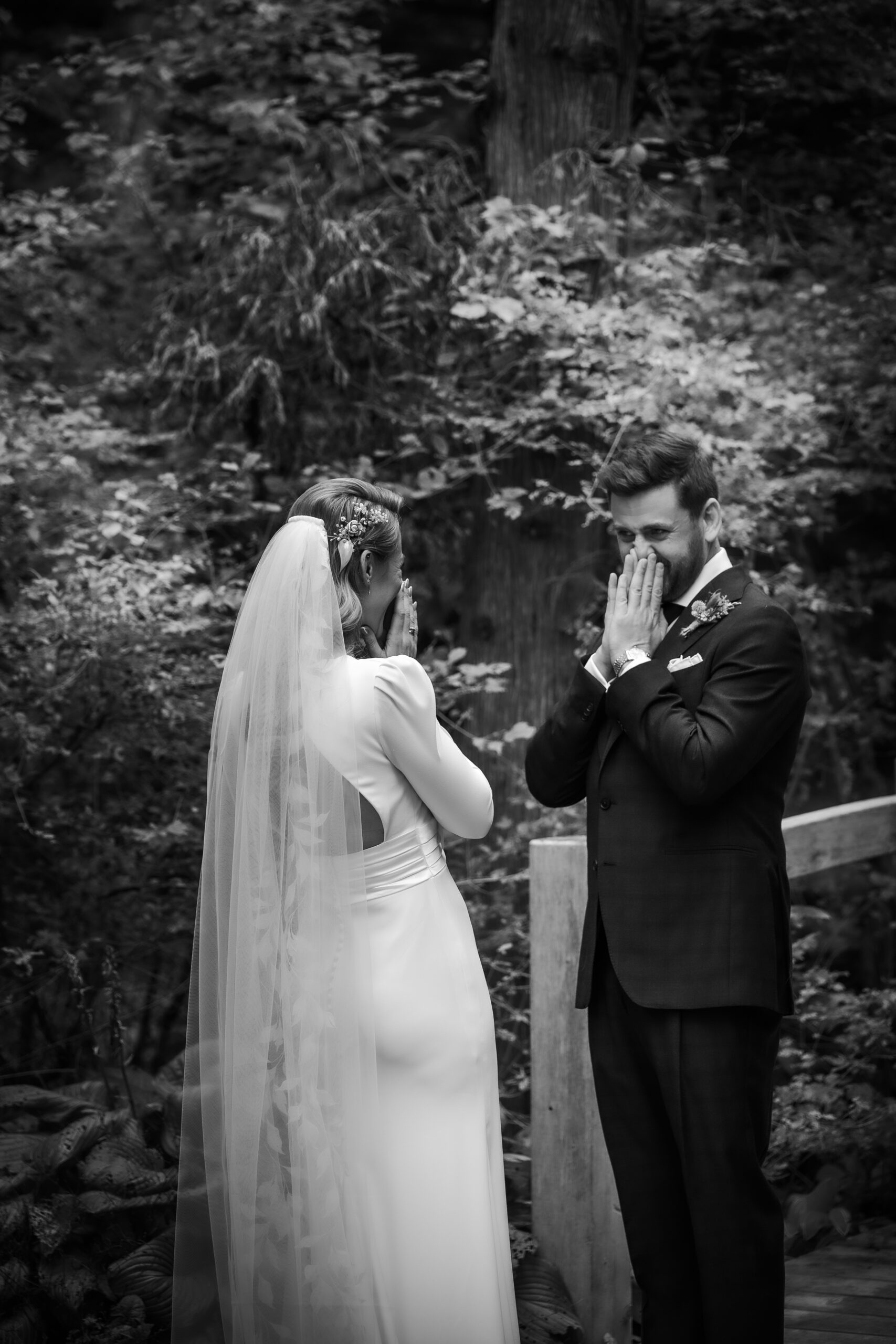
A laugh between friends.
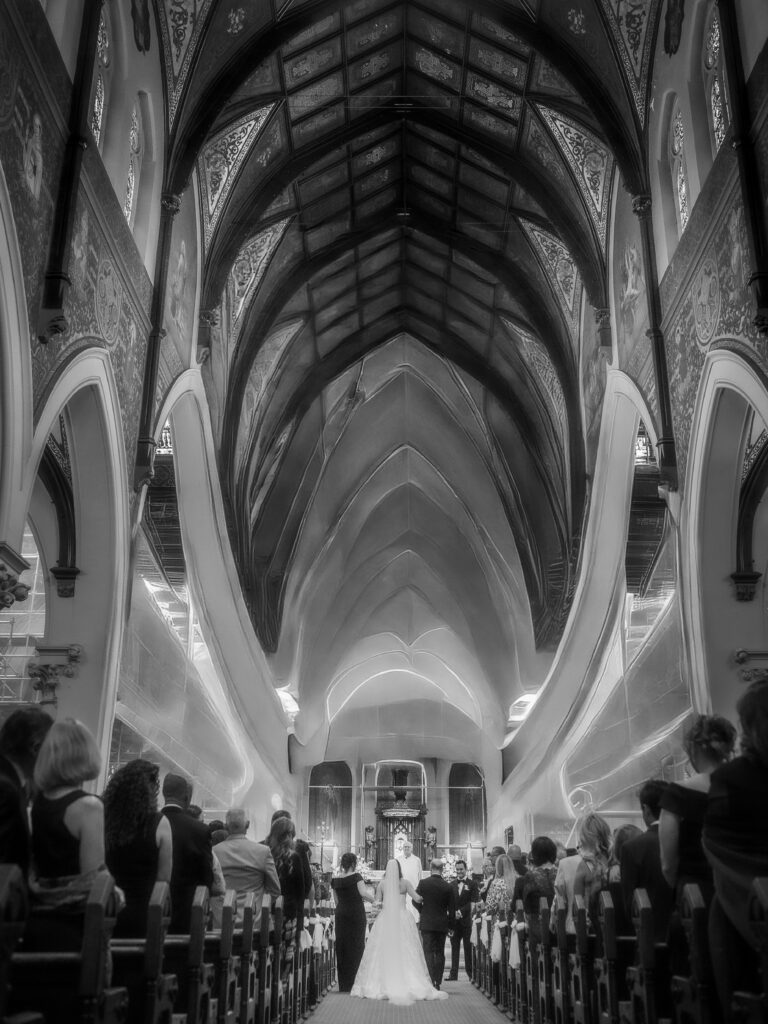
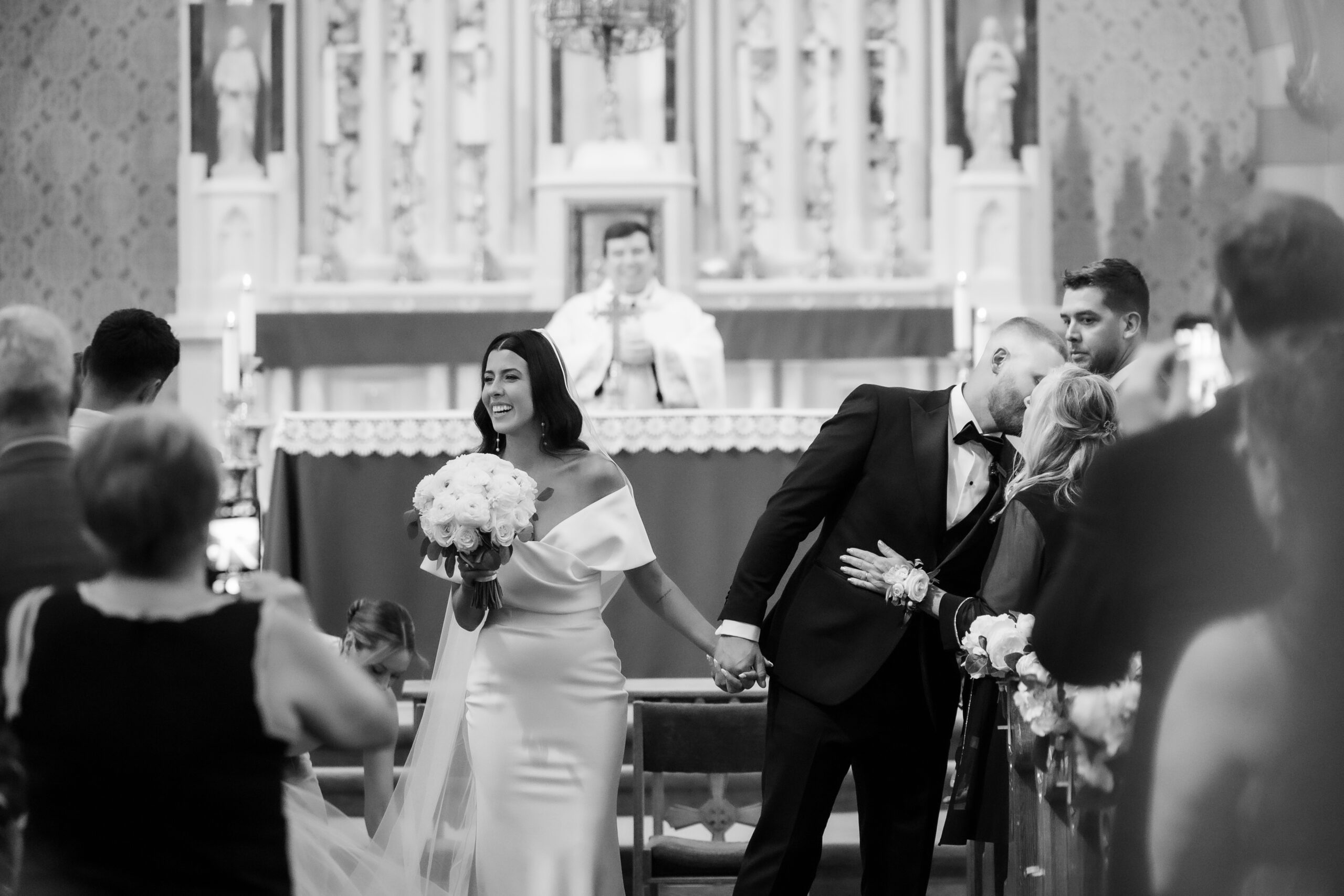
A parent watching the ceremony.
A quiet conversation.
A spontaneous dance.
A hug.
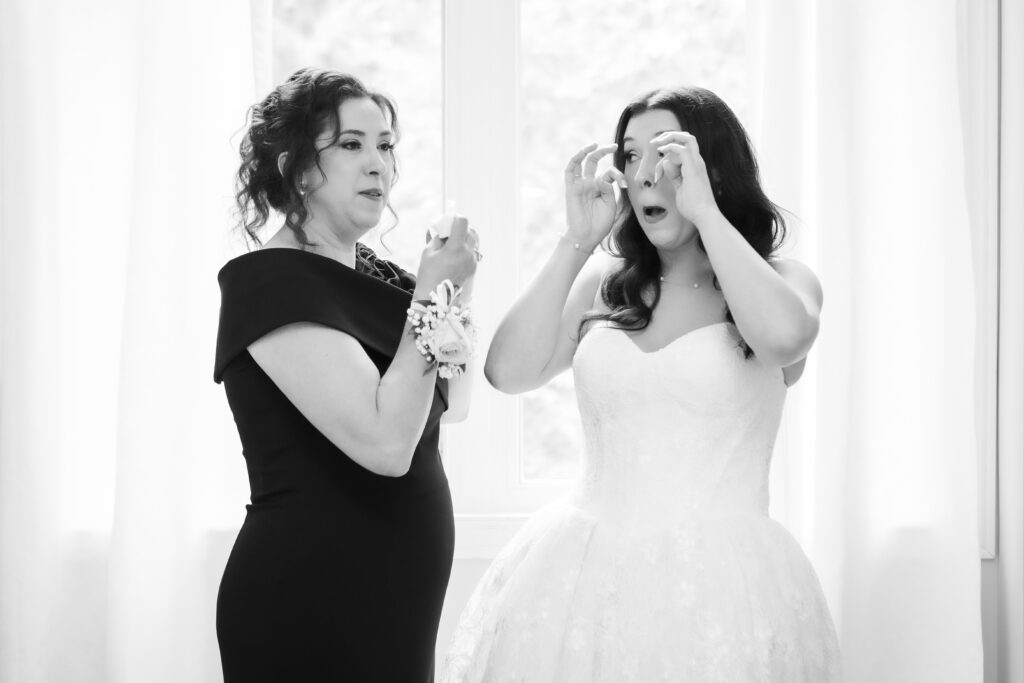
A tear.
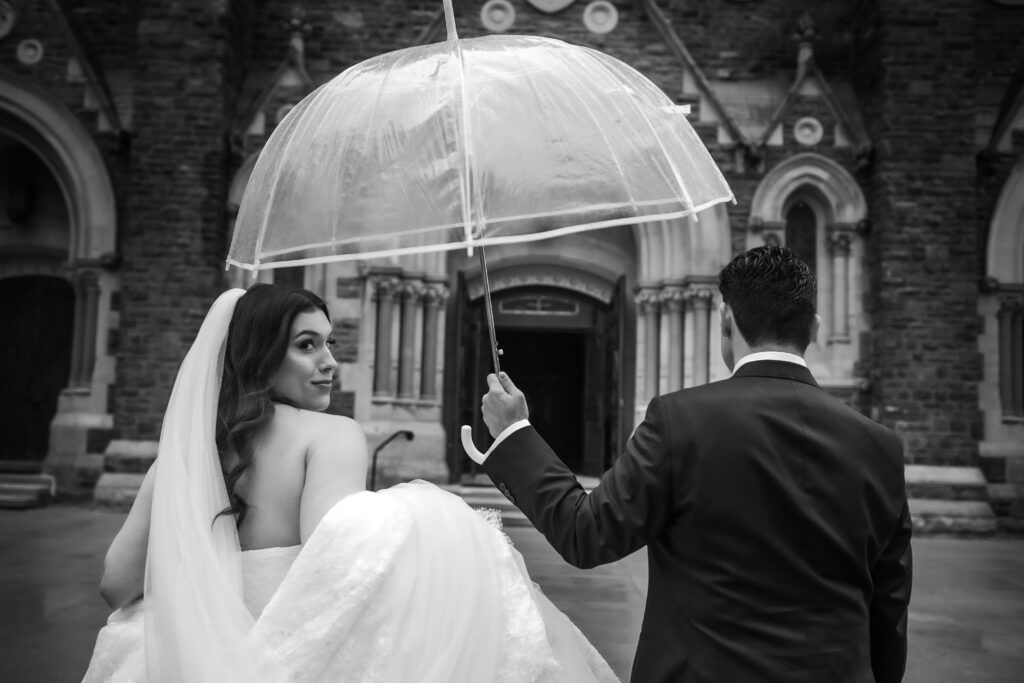
A glance.
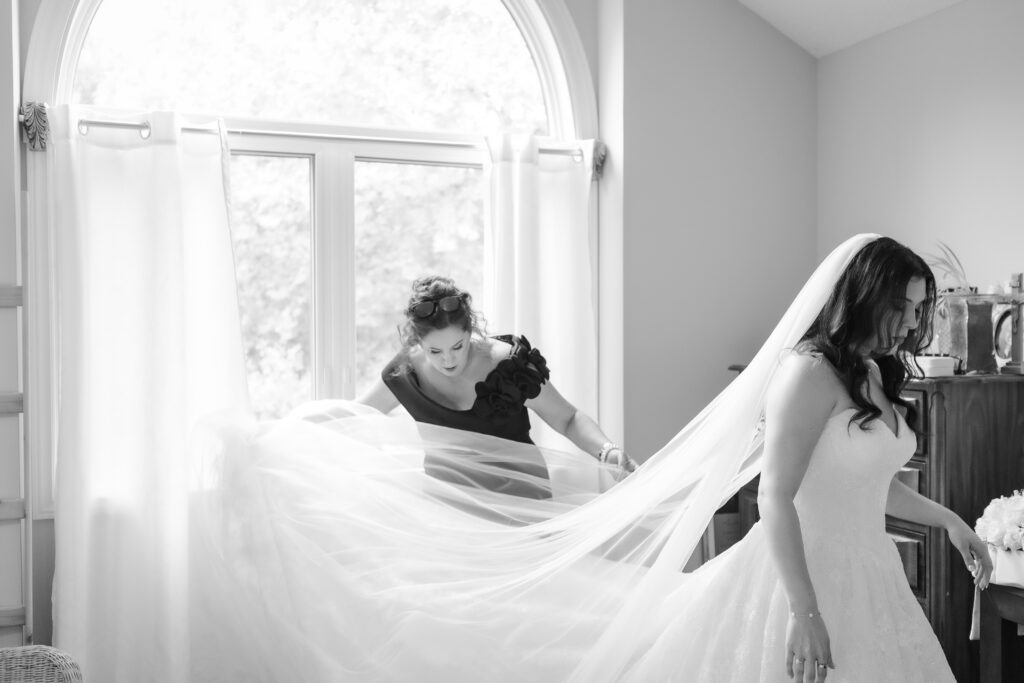
Those moments don’t need instructions.
They need observation.
The balance between direction and observation is at the heart of a documentary wedding photography approach.
Your Photographs Should Still Feel Good Twenty Years From Now
Wedding photography trends come and go.
Editing styles change.
Posing trends change.
Social media aesthetics change.
What looks fashionable today may look dated years from now.
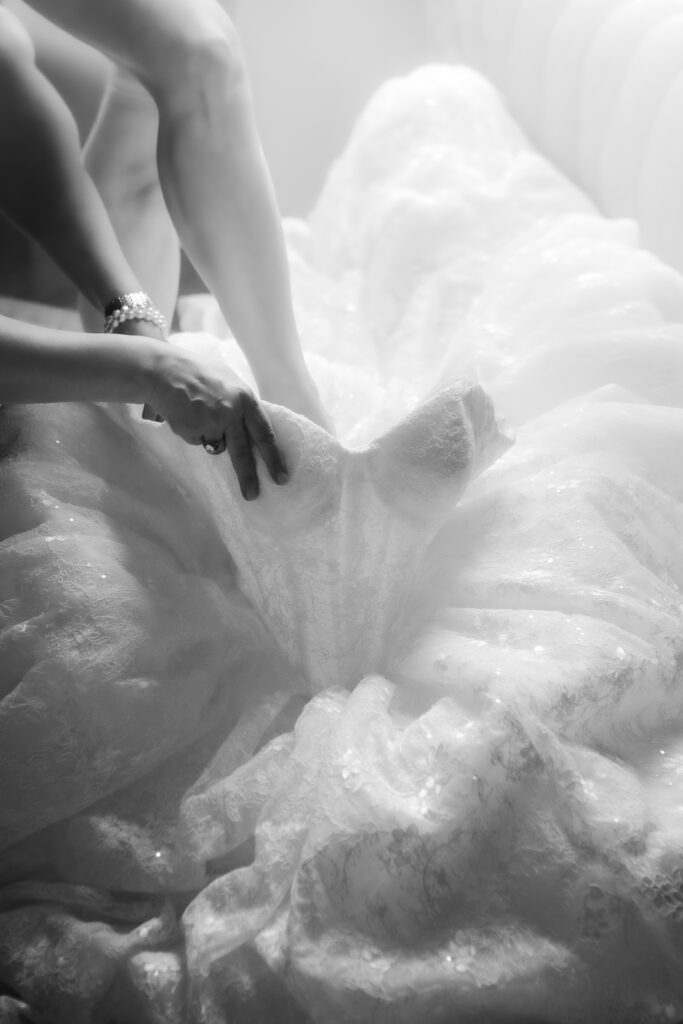
But photographs built around relationships, emotion, connection, composition, and genuine moments have a different kind of longevity.
Twenty years from now, you probably won’t care whether a photograph followed the latest social-media trend.
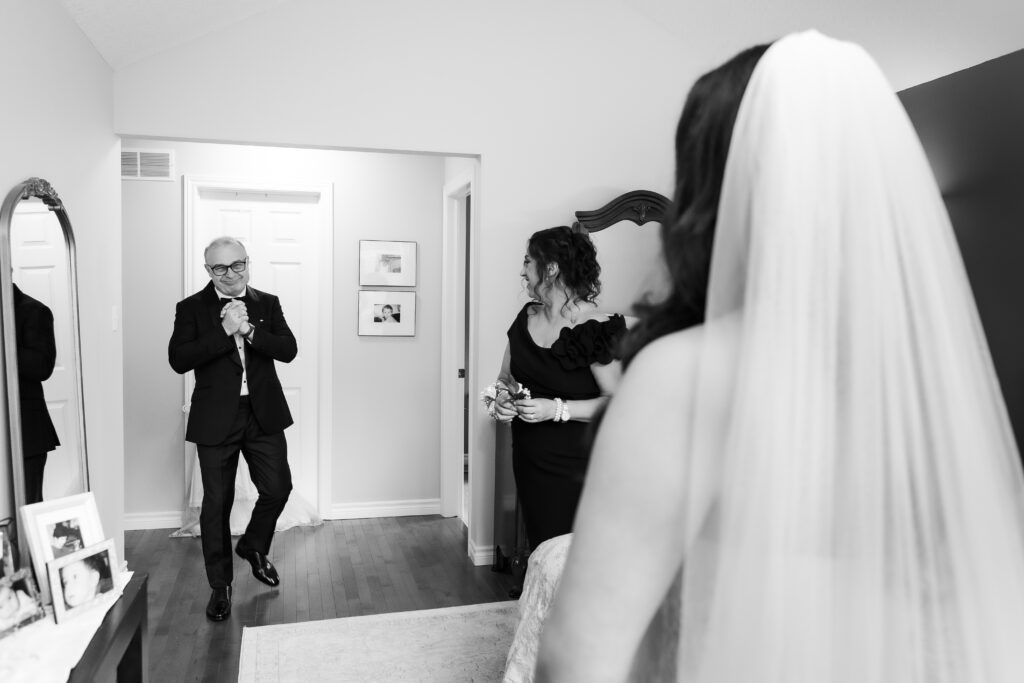
You’ll care about who is in it.
You’ll care about the expression on your father’s face.
You’ll care about how your partner looked at you.
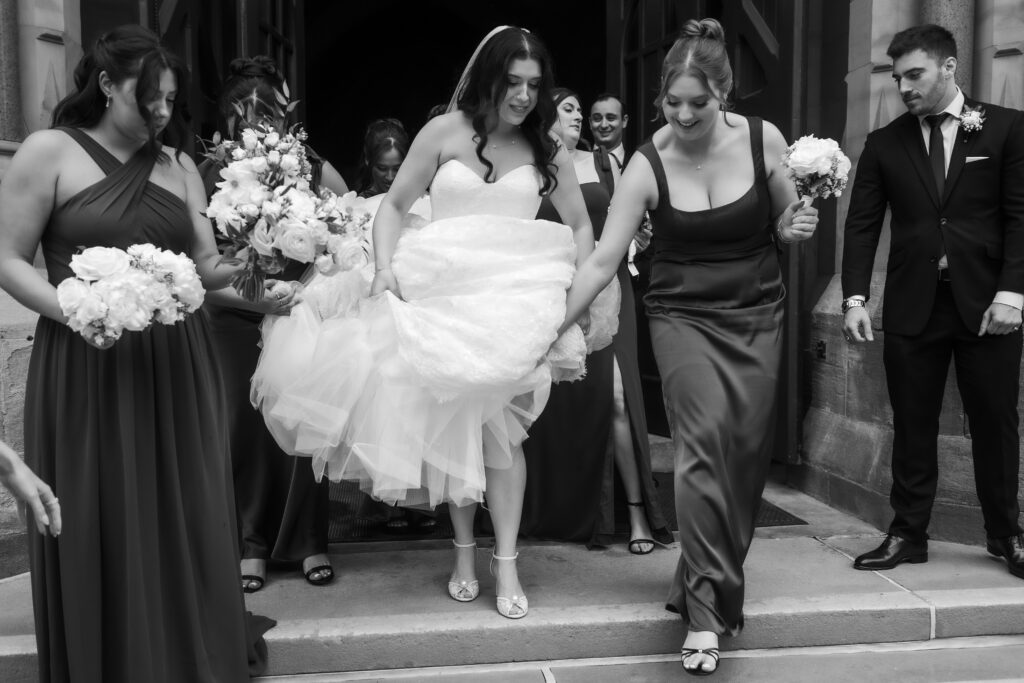
You’ll care about the friend who was there.
You’ll care about the grandparent who may no longer be with you.
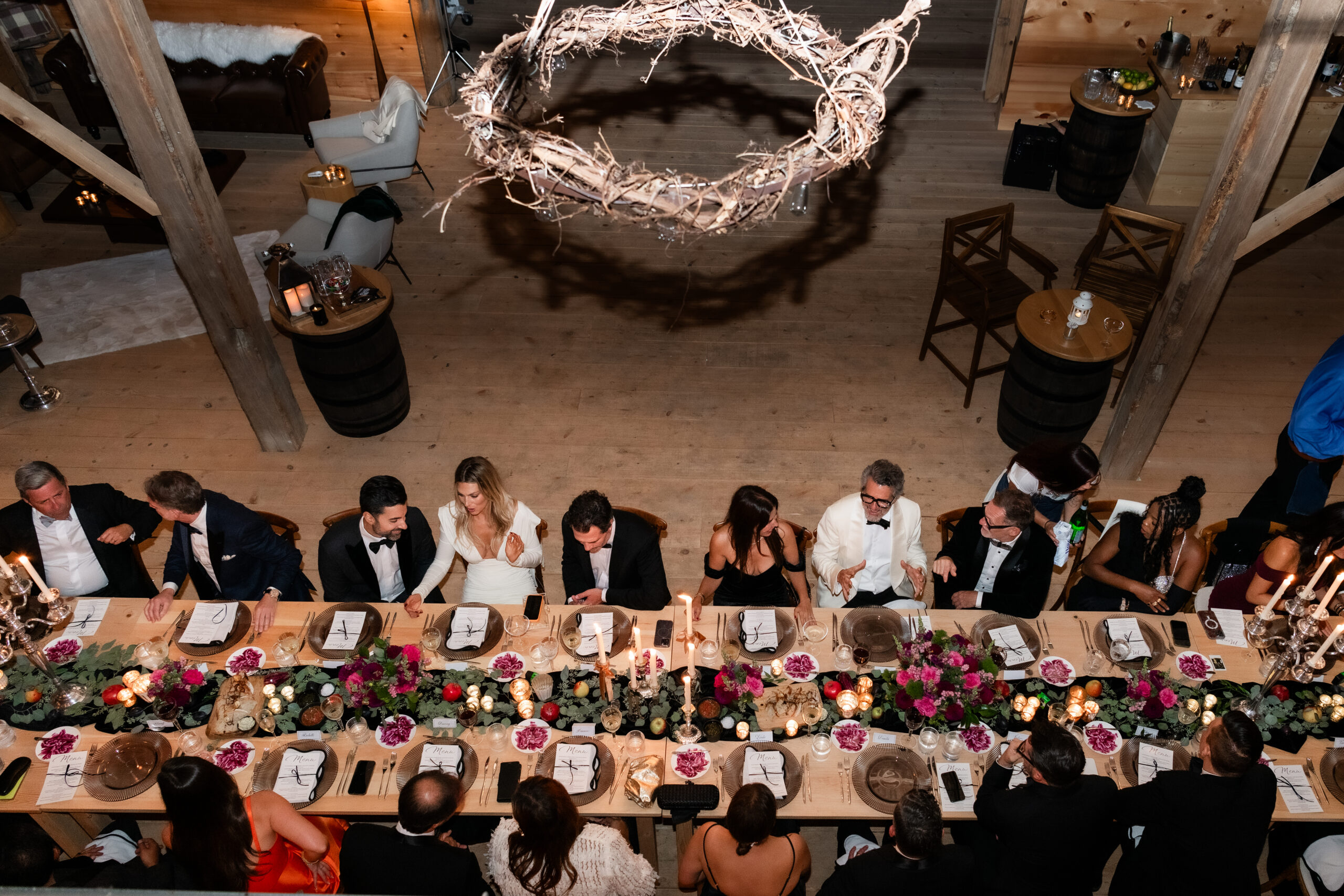
You’ll care about the people who filled the room.
That is the kind of longevity wedding photography should aim for.
leave a comment