


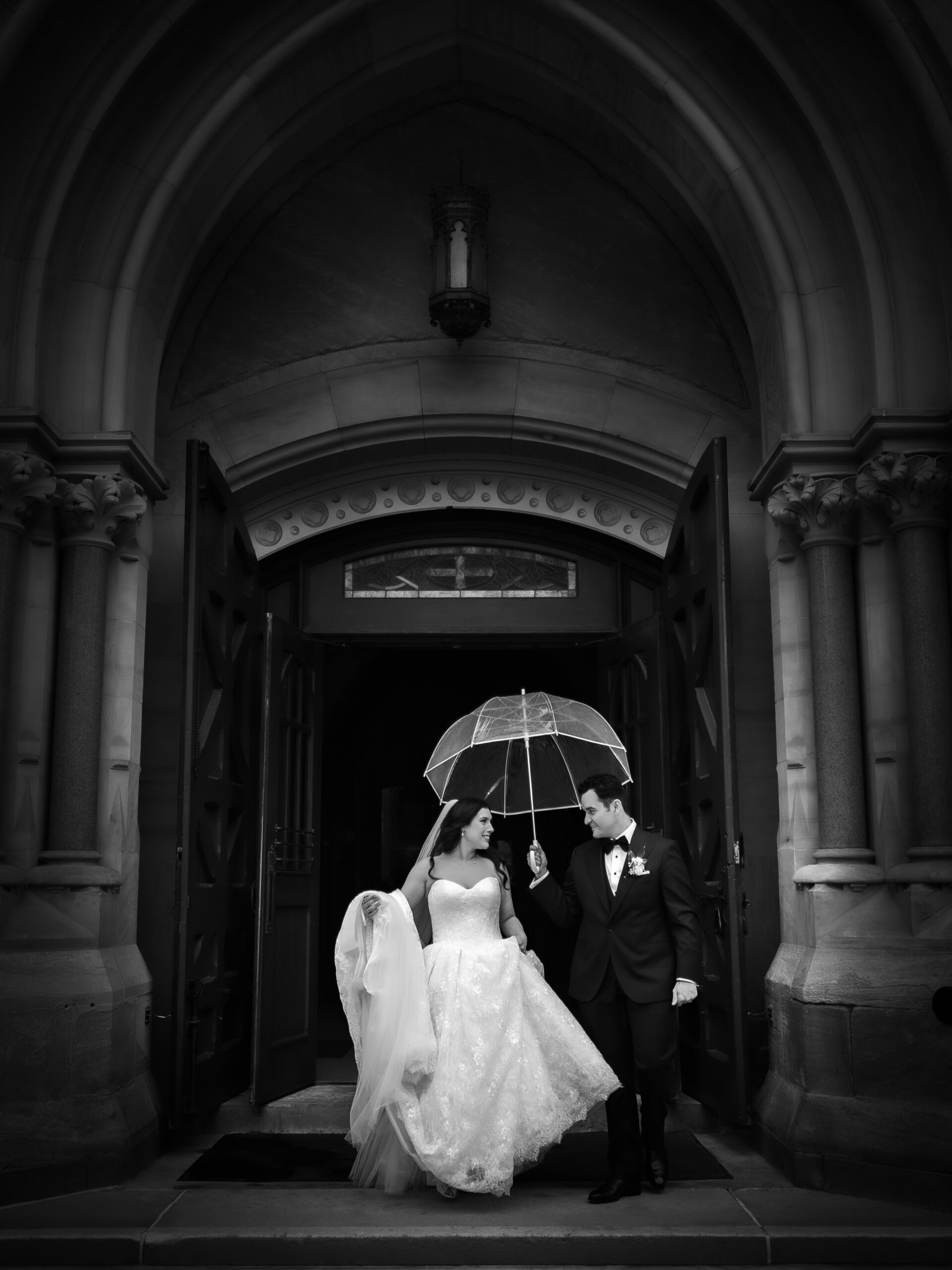


Your wedding day will happen once.
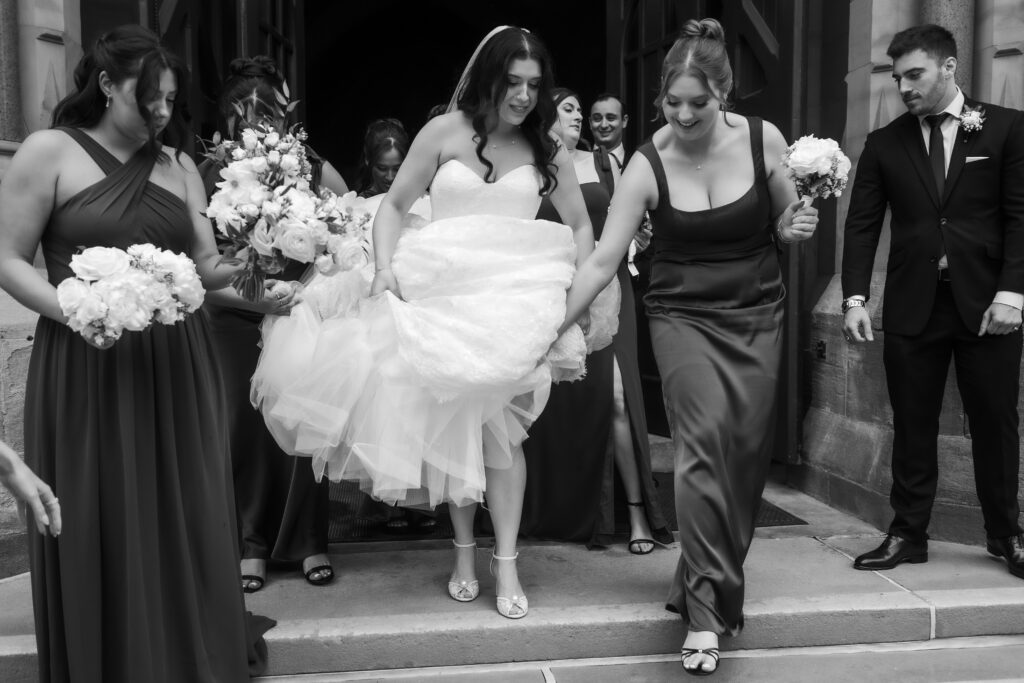
The people you love will gather in one place. Conversations will happen that you never hear. Your parents will look at you when they think you aren’t watching. A grandparent will laugh at something happening across the room. Your friends will dance, cry, hug, tease one another, and tell stories you may never know about.
There will be hundreds of small moments happening around you.
And you won’t see most of them.
That is one of the reasons wedding photography matters so much.
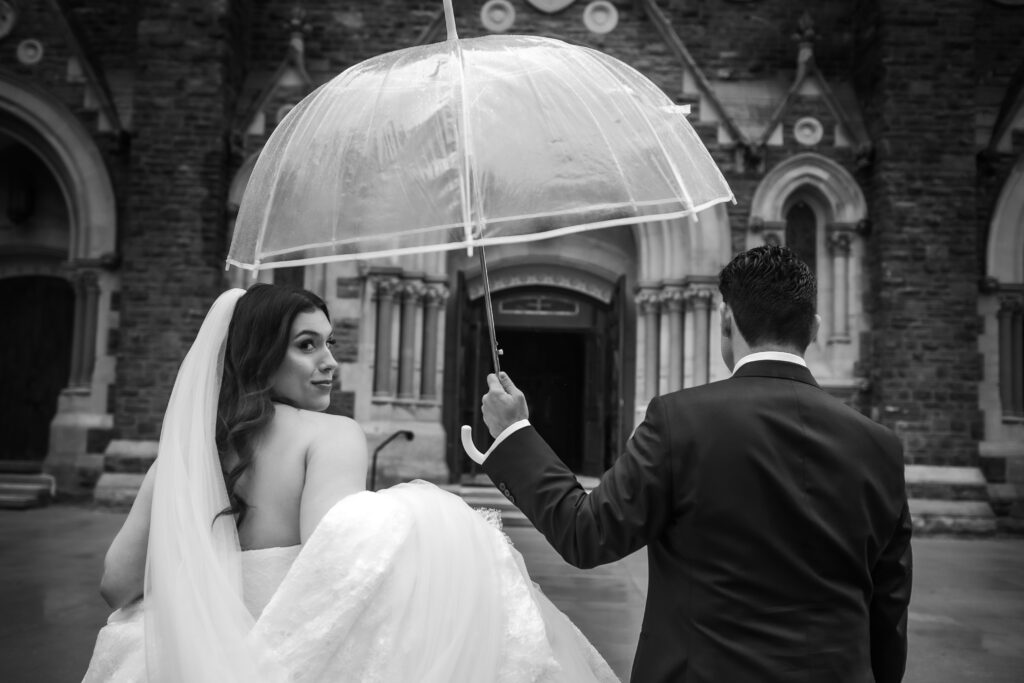
A wedding photographer isn’t simply there to create beautiful pictures of what your wedding looked like. The right photographer is there to preserve what your wedding felt like.
This is where an unscripted, candid, journalistic approach becomes so valuable.
In a world where so much of life is carefully curated, posed, filtered, and designed for the camera, there is something incredibly meaningful about photographs that don’t feel manufactured. Images that don’t ask you to perform. Photographs that allow you to simply be present with the people you love.
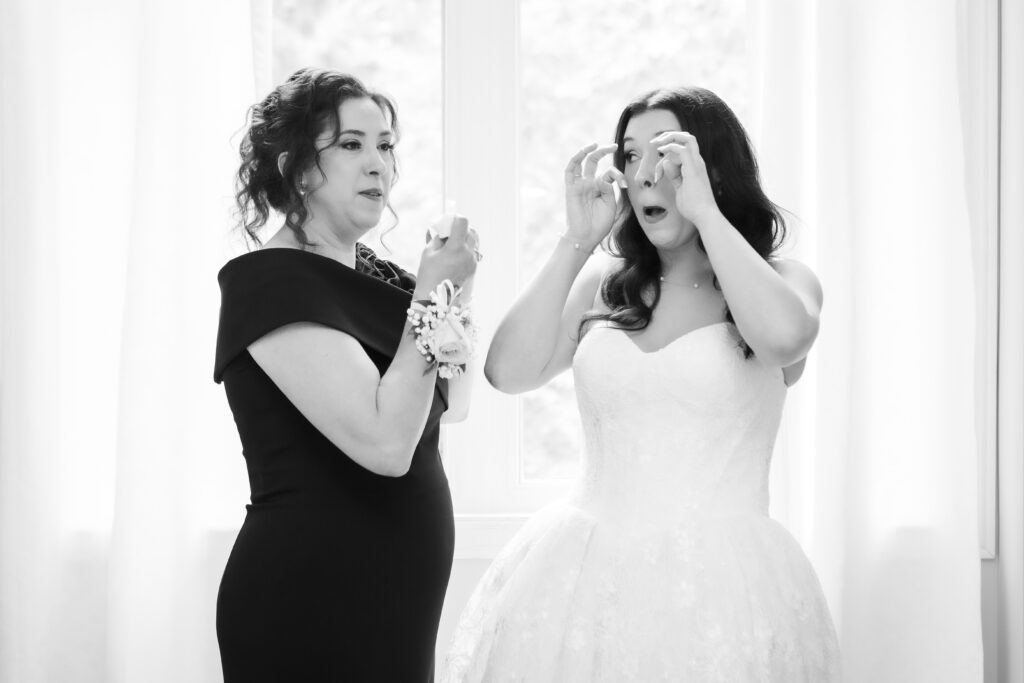
Your Wedding Doesn’t Need to Be Performed for the Camera
Traditional wedding photography often places the photographer in the role of director.
“Stand here.”
“Look at me.”
“Put your hand here.”
“Smile.”
“Now do it again.”
There is nothing inherently wrong with posed portraits. There are moments during a wedding day when direction is useful, particularly for family photographs, formal portraits, and making sure important people are included.
But when the entire wedding is photographed this way, something can be lost.
The spontaneous interaction.
The imperfect laughter.
The nervous anticipation.
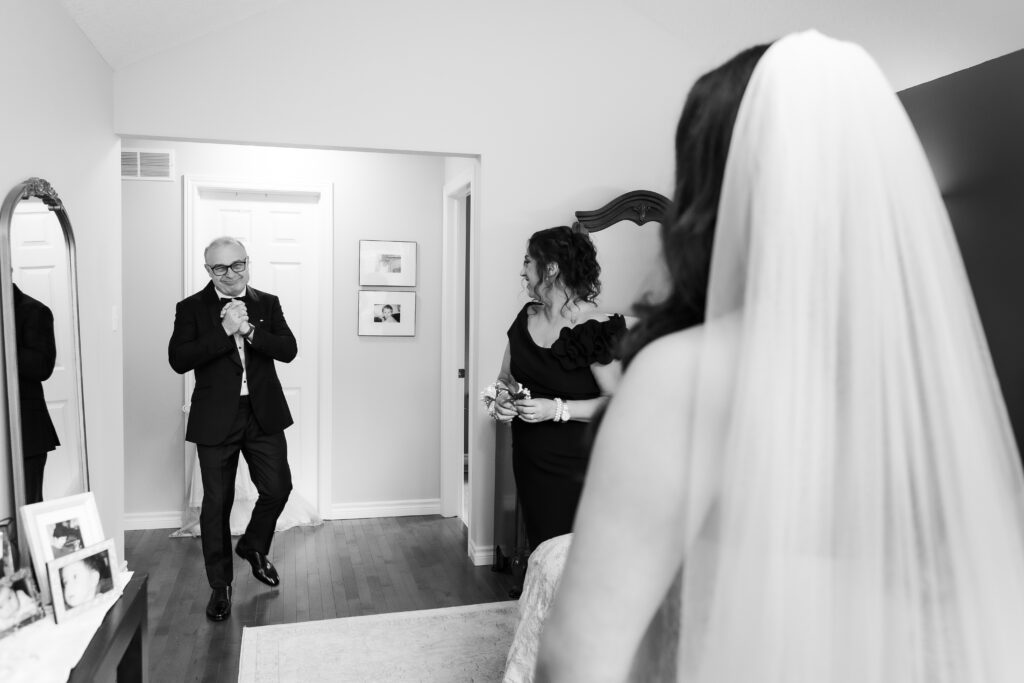
The way your father looks at you before walking you down the aisle.
The expression on your partner’s face when they see you for the first time.
The friend who can’t stop laughing during dinner.
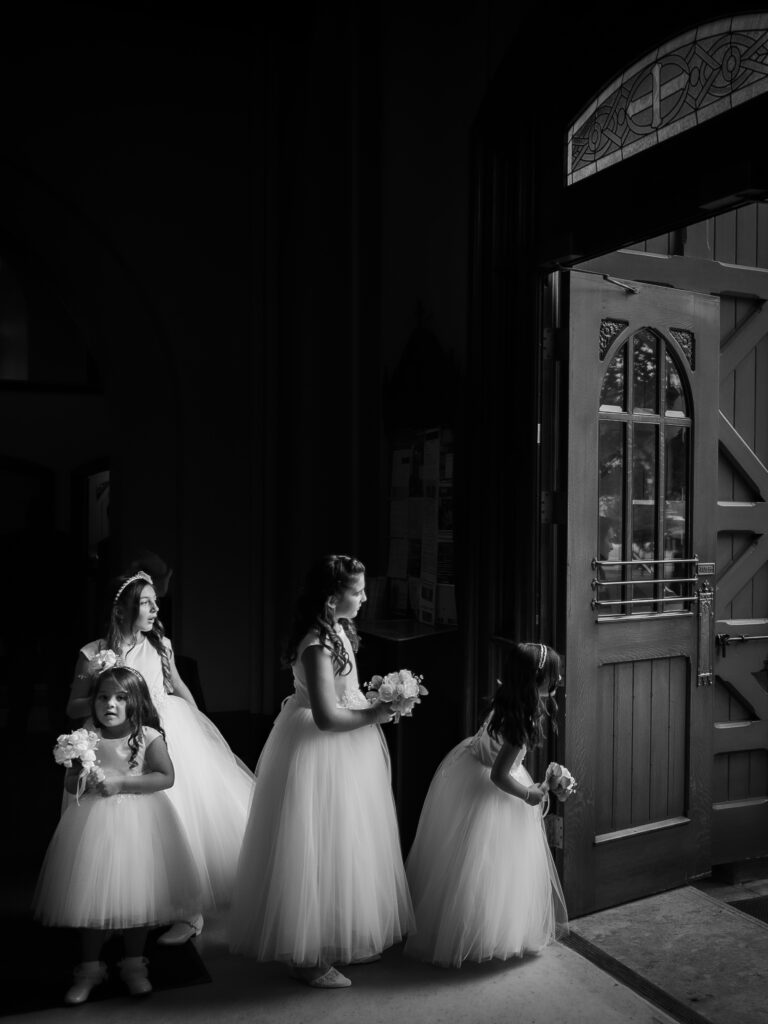
The child who has completely abandoned the concept of sitting quietly.
The couple who sneak away for thirty seconds just to breathe.
These moments don’t need to be directed.
They need to be noticed.
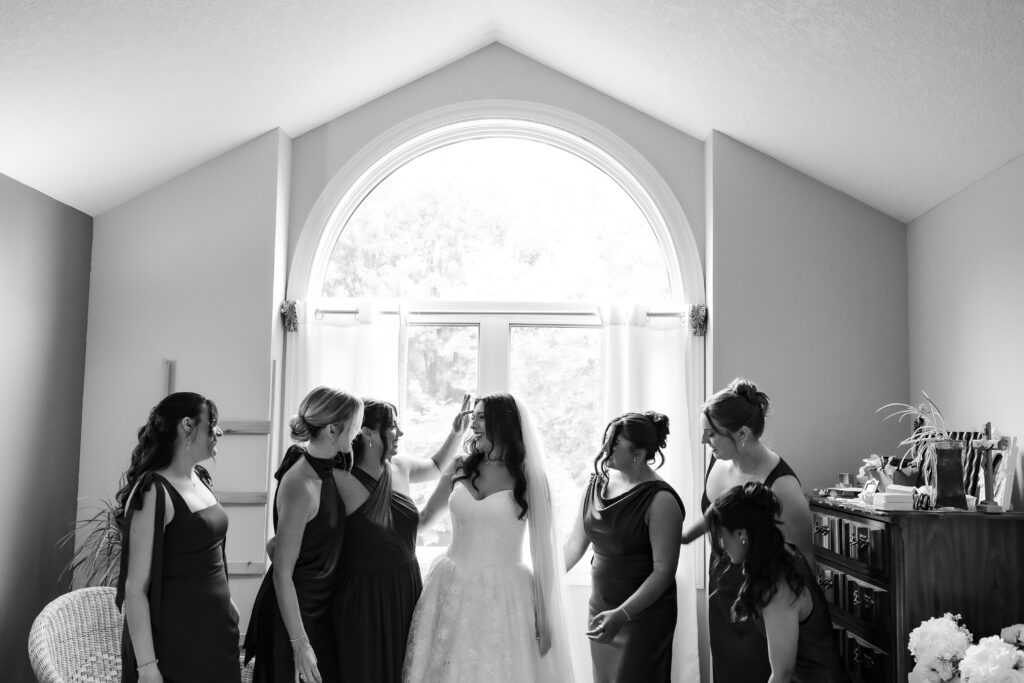
That’s the fundamental difference between a photographer who is constantly creating moments and a journalistic photographer who is watching for the moments that are already happening.
Candid Doesn’t Mean Random
One misconception about candid wedding photography is that it means simply pointing a camera at people and hoping something happens.
It doesn’t.
True documentary-style wedding photography requires tremendous observation.
A journalistic photographer has to anticipate.
They have to recognize relationships.
They have to notice body language, expressions, movement, light, composition, timing, and emotion simultaneously.
They need to know when something is about to happen before it happens.
That requires experience.
A great candid photograph may look effortless when you see it in your gallery.
The reality is that the photographer may have been watching a group of people for several minutes, waiting for the right interaction, positioning themselves without interrupting it, anticipating the laugh, and pressing the shutter at exactly the right fraction of a second.
The photograph feels spontaneous.
The process behind it is anything but accidental.
Your Wedding Day Is Bigger Than the Two of You
Of course, your wedding is about your relationship.
But it is also about everyone who helped you get there.
Your parents.
Your grandparents.
Your siblings.
Your closest friends.
Your children.
Your extended family.
The people who travelled hours to celebrate with you.
The people who have known you since you were young.
The people who may never again all be together in the same room.
This is one of the strongest arguments for documentary wedding photography.
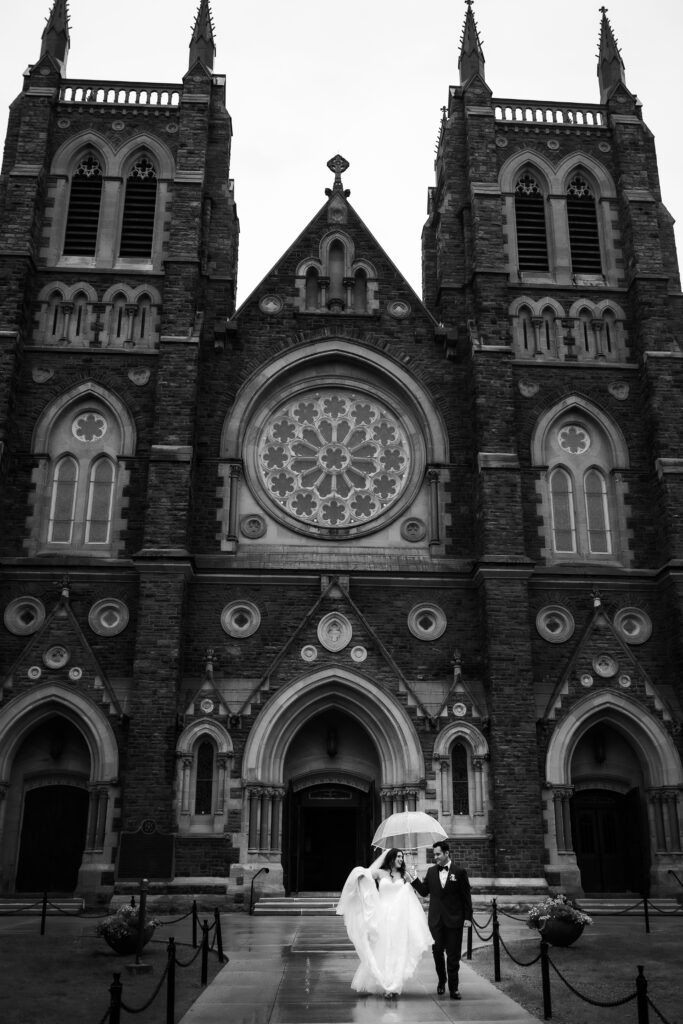
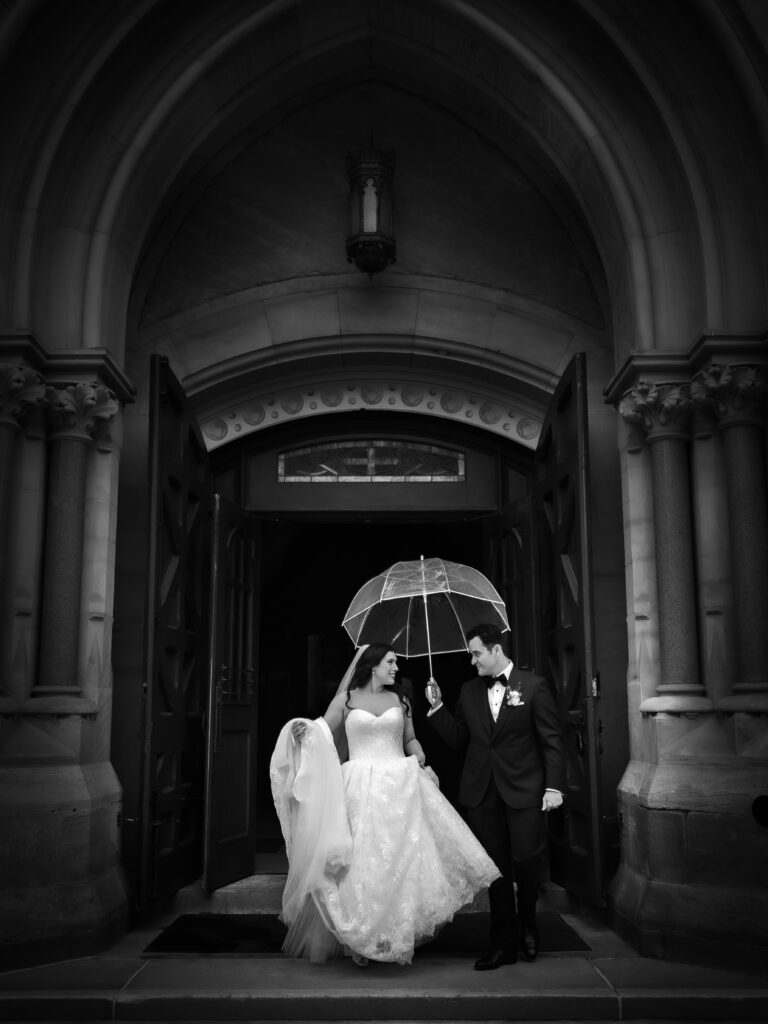
You can hire someone to photograph the obvious moments.
The ceremony.
The first kiss.
The first dance.
The cake cutting.
The portraits.
But what about everything happening around those moments?
A journalistic photographer looks beyond the centre of attention.
While you’re having your portraits taken, someone may be watching from across the room.
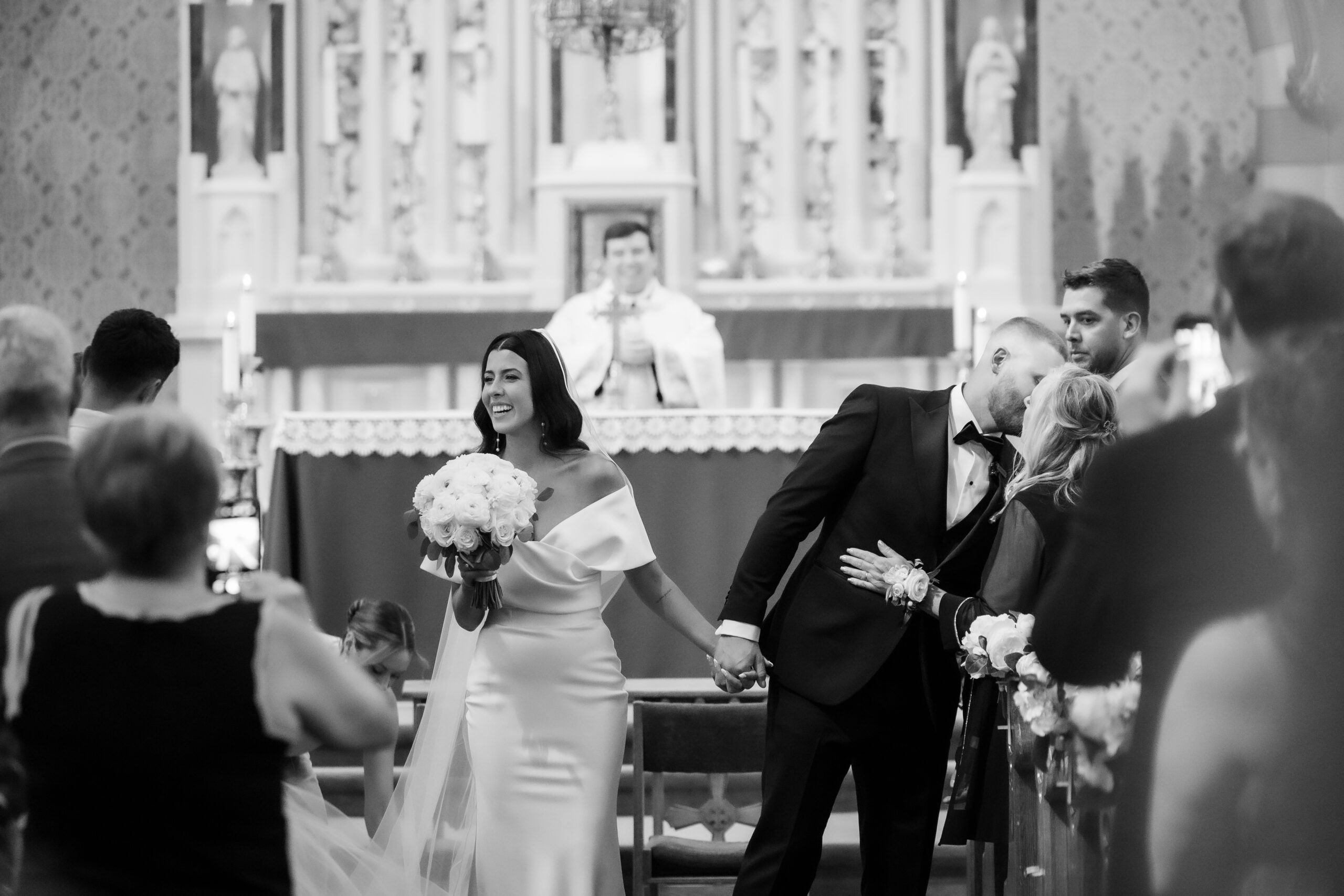
While you’re exchanging vows, your mother may be crying.
While you’re dancing with your partner, your friends may be dancing behind you.
While you’re greeting guests, two relatives who haven’t seen one another in years may be having an emotional reunion.
These are all part of your wedding story.
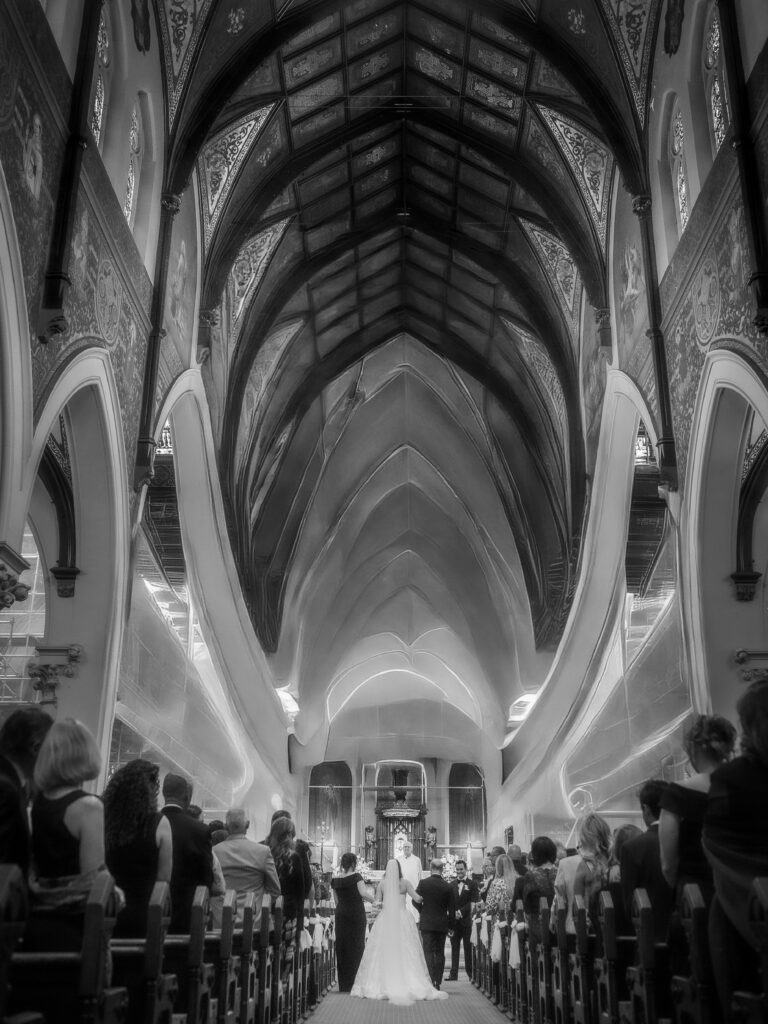
The Photographs You Don’t Know You Need Yet
Some of the most valuable wedding photographs aren’t necessarily the ones you expect to receive.
Years from now, you may not remember exactly what you were thinking during your cocktail hour.
But you may remember seeing a photograph of your grandmother laughing with your cousins.
You may not remember every conversation you had at dinner.
But you may treasure a photograph of your parents sitting together at their table.
You may forget the details of the dance floor.
But you may remember the ridiculous dance your best friend performed.
You may not even realize someone was watching you during the ceremony.
Then you see the photograph.
And suddenly, you are back there.
That’s the power of documentary photography.
It gives you access to memories you didn’t personally witness.
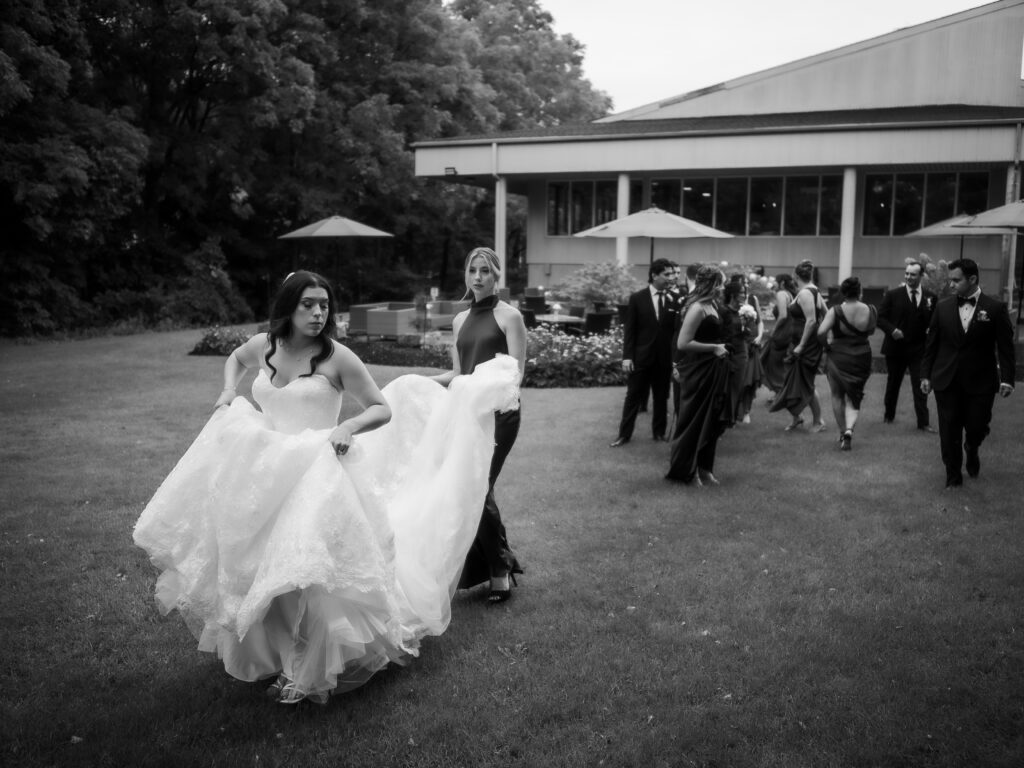
You Can’t Be Everywhere at Your Own Wedding
This is perhaps the simplest reason to choose a journalistic photographer.
You can’t see everything.
You are getting married.
You are busy.
You are talking to people.
You’re walking down the aisle.
You’re hugging your family.
You’re taking photographs.
You’re eating dinner.
You’re dancing.
You’re laughing.
You’re trying to remember to say hello to everyone.
Meanwhile, your photographer can be observing the rest of the room.
They become your eyes in places you couldn’t be.
What did your guests do while you were taking portraits?
What happened during cocktail hour?
Who cried during the ceremony?
Who gave your parents a huge hug?
What was happening at the back of the reception?
What did your friends do when the music started?
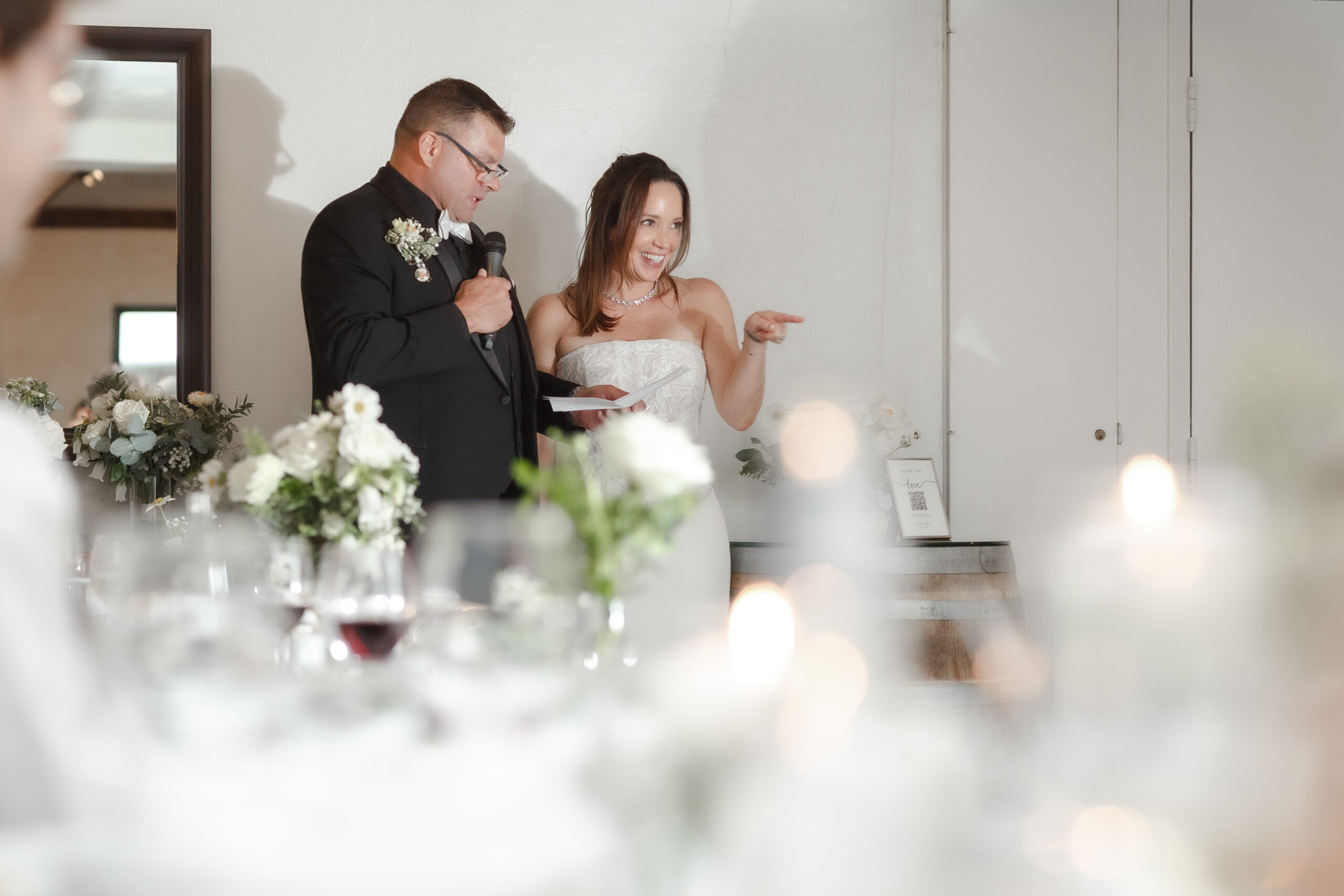
What expressions did your grandparents make during the speeches?
A comprehensive documentary approach helps preserve those answers.
Real Emotion Doesn’t Always Happen on Cue
Some of the most powerful wedding photographs happen in fractions of a second.
A glance.
A smile.
A tear.
A hand squeeze.
A deep breath.
A burst of laughter.
A moment of disbelief.
A private joke.
A nervous gesture.
These aren’t things that can always be recreated.
Once they’re gone, they’re gone.
That is why anticipation matters.
A journalistic photographer isn’t waiting for you to pose.
They’re watching for emotion as it naturally develops.
They understand that the most meaningful photograph might happen immediately before the “important” moment rather than during it.
Sometimes the photograph isn’t the kiss.
It’s the look immediately before the kiss.
It isn’t the hug.
It’s the moment someone realizes they are about to embrace a person they haven’t seen in years.
It isn’t the speech.
It’s the expression on someone’s face while listening to it.
Unscripted Photography Lets You Actually Experience Your Wedding
There is another benefit to having a photographer who doesn’t constantly direct you.
You get to be present.
Instead of wondering what you’re supposed to do for the camera, you can concentrate on the person standing in front of you.
Talk to your friends.
Laugh with your family.
Dance badly.
Cry when you need to cry.
Hold your partner’s hand.
Take a breath.
Enjoy the moment.
The photographer’s job isn’t to manufacture an experience for you.
It’s to document the experience you’re already having.
That distinction can completely change the way a wedding day feels.
Beautiful Doesn’t Have to Mean Perfect
Wedding photography has become incredibly sophisticated.
There are stunning venues, elaborate florals, incredible gowns, beautiful tablescapes, dramatic lighting, and meticulously planned details.
Those things deserve to be photographed.
But your wedding isn’t a styled editorial.
It’s a real day involving real people.
Someone will probably cry.
Someone will laugh at the wrong time.
Someone will spill something.
Someone will dance badly.
Someone will forget where they put their phone.
Someone will tell a joke during the ceremony.
Someone will make a face during the family photographs.
And those imperfections may eventually become some of your favourite memories.
Documentary photography doesn’t require your wedding to be perfect.
It allows your wedding to be yours.
The Importance of Anticipation
A strong journalistic wedding photographer isn’t simply reacting to what is happening.
They’re anticipating what might happen next.
They learn to recognize patterns.
They see a father becoming emotional before the tears arrive.
They notice friends gathering together before the laughter begins.
They see a couple exchange a look from across the room.
They recognize that someone is about to make a speech, tell a story, or embarrass the groom.
That anticipation allows the photographer to be ready without interrupting.
The best candid photographs often happen because the photographer was already in the right place before the moment unfolded.
Your Wedding Photographs Should Tell a Story
Think about your wedding album twenty or thirty years from now.
You shouldn’t have to look at a collection of unrelated poses and wonder what happened between them.
Your photographs should allow you to move through the day.
The anticipation.
The preparation.
The relationships.
The ceremony.
The celebration.
The quiet moments.
The chaos.
The laughter.
The people.
The emotions.
The unexpected moments.
The end of the night.
A journalistic approach creates photographs that can work together as a visual narrative.
The goal isn’t simply to give you 800 beautiful photographs.
It’s to give you a collection of photographs that mean something.
The Small Moments Become the Big Memories
When couples think about their wedding photographs, they naturally think about the major milestones.
The dress.
The rings.
The ceremony.
The kiss.
The portraits.
The first dance.
But memories don’t exist only in major milestones.
They exist in the spaces between them.
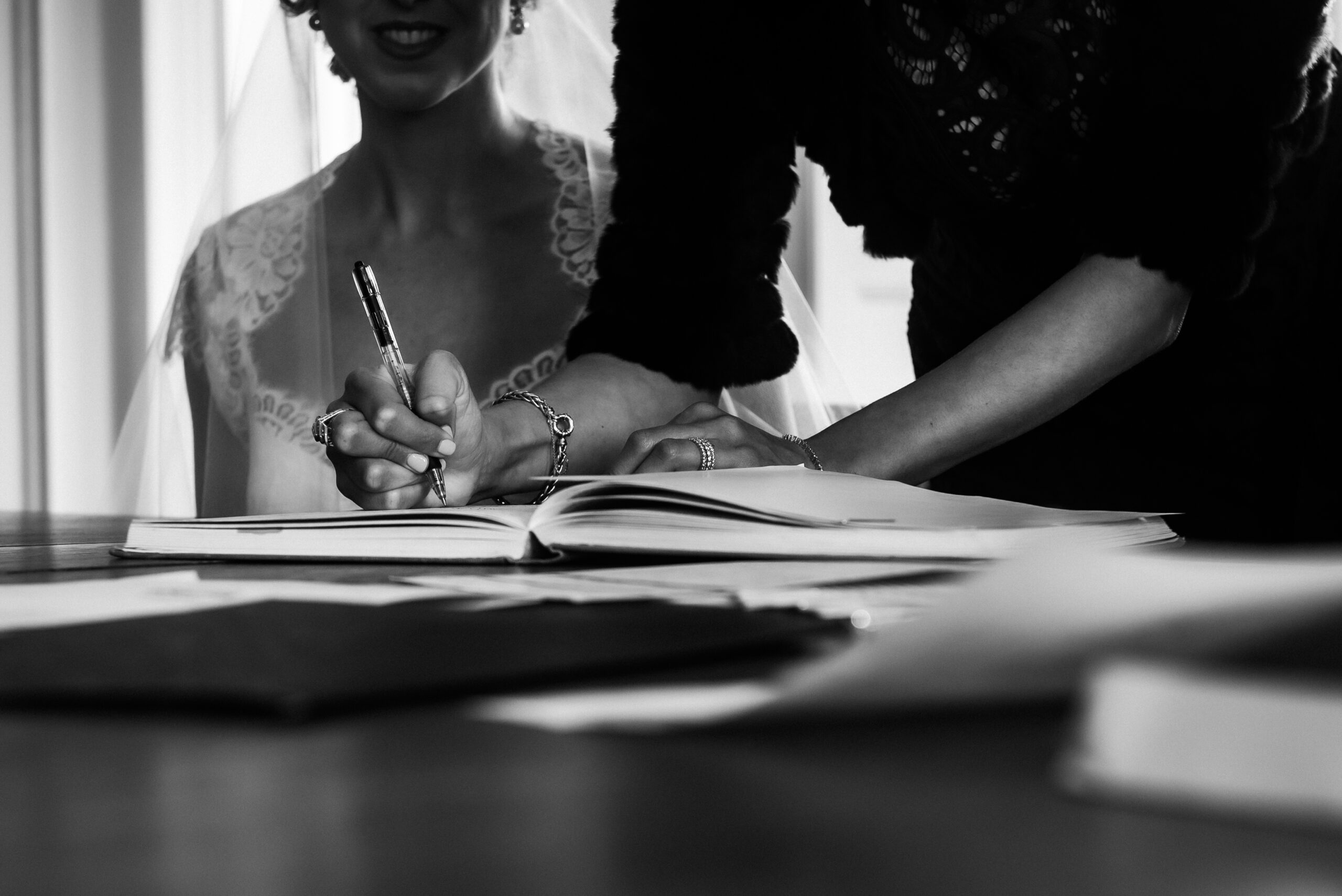
The way your sister fixed your veil.
The way your father held your hand.
The way your friends looked at you when you walked into the room.
The expression on your partner’s face during the speeches.
The little conversation between your grandparents.
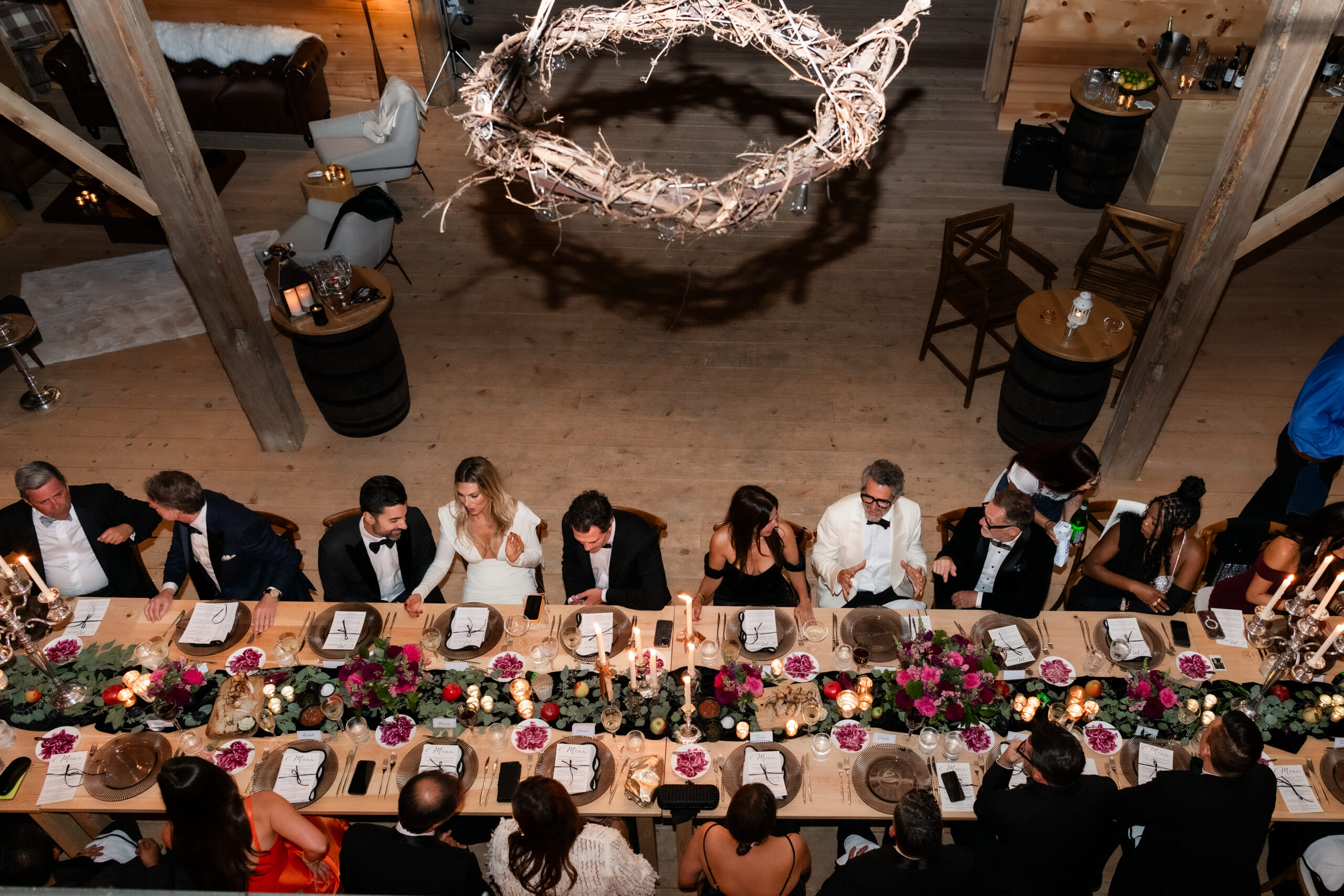
The laughter around the dinner table.
The exhausted hug at the end of the night.
Those are the details that make your wedding uniquely yours.
A Journalistic Photographer Should Know When Not to Intervene
This is one of the most important skills in documentary wedding photography.
Knowing when to take the photograph is important.
Knowing when not to interfere is equally important.
Sometimes the best thing a photographer can do is step back.
Let the conversation happen.
Let the hug happen.
Let the tears happen.
Let the laughter continue.
Don’t ask people to repeat it.
Don’t ask them to recreate the moment.
Don’t turn a genuine interaction into a performance.
The photographer becomes an observer rather than the centre of attention.
And that allows the photographs to remain authentic.
Your Wedding Photographs Become Family History
There is something particularly powerful about documentary wedding photography when viewed decades later.
Your wedding photographs won’t only belong to you.
They become part of your family’s visual history.
Future generations may look at these photographs and see relatives they never had the opportunity to meet.
They’ll see how people dressed.
How people celebrated.
Who stood beside you.
What your family looked like.
How your grandparents smiled.
How young your parents were.
Who your closest friends were.
What your relationships looked like at that particular point in time.
That is much more than wedding photography.
It’s historical documentation on a deeply personal scale.
Why Unscripted Photography Matters More Than Ever
We live in an era where photographs are everywhere.
Phones are constantly taking pictures.
Social media encourages carefully selected images.
Filters can change appearances instantly.
AI can alter photographs in ways that would have been unimaginable only a few years ago.
There is nothing inherently wrong with any of this.
But it makes authenticity increasingly valuable.
When so much visual content is intentionally constructed, there is something special about an image that simply records what was actually happening.
A real laugh.
A real tear.
A real embrace.
A real expression.
A real relationship.
No performance.
No retake.
No recreation.
Just a moment that happened once.
And because it happened only once, the photograph becomes even more valuable.
The Goal Isn’t to Make You Look Like Someone Else
A good wedding photographer shouldn’t need to turn you into models.
You don’t need to know how to pose.
You don’t need to be comfortable in front of a camera.
You don’t need to have a “photogenic” personality.
You simply need to be yourself.
An experienced journalistic photographer knows how to work with real people.
They understand that nervousness is normal.
They understand that not everyone loves having their photograph taken.
They know how to provide gentle direction when necessary while still allowing genuine interactions to unfold naturally.
The result should look like you.
Not a version of you created for social media.
Not a collection of poses copied from another wedding.
You.
There Is Still a Place for Portraits
Choosing an unscripted photographer doesn’t mean abandoning every traditional photograph.
Quite the opposite.
A complete wedding story can include both.
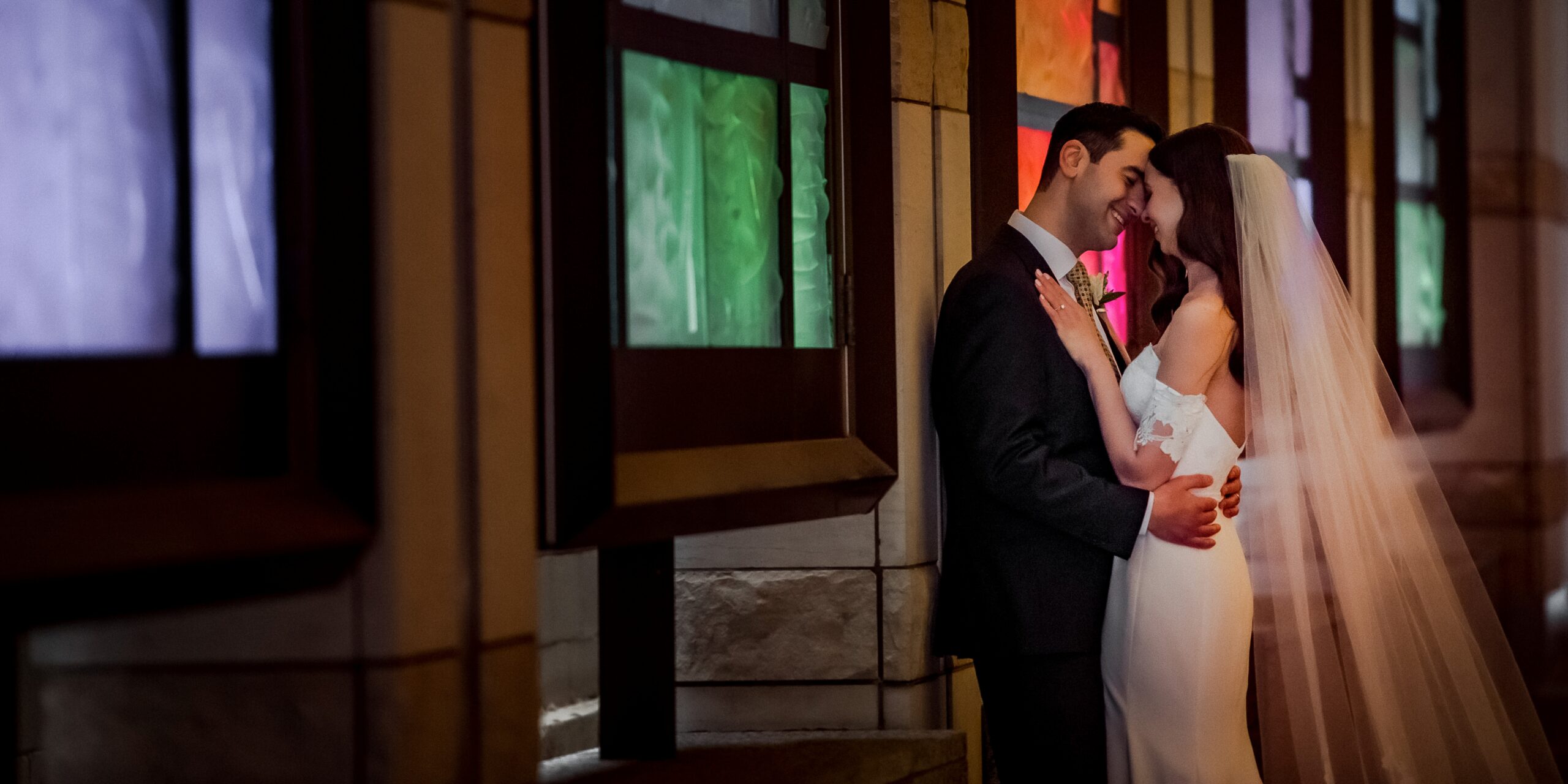
You can have beautiful portraits of the two of you.
You can have photographs with your parents and grandparents.
You can have the important family groupings.
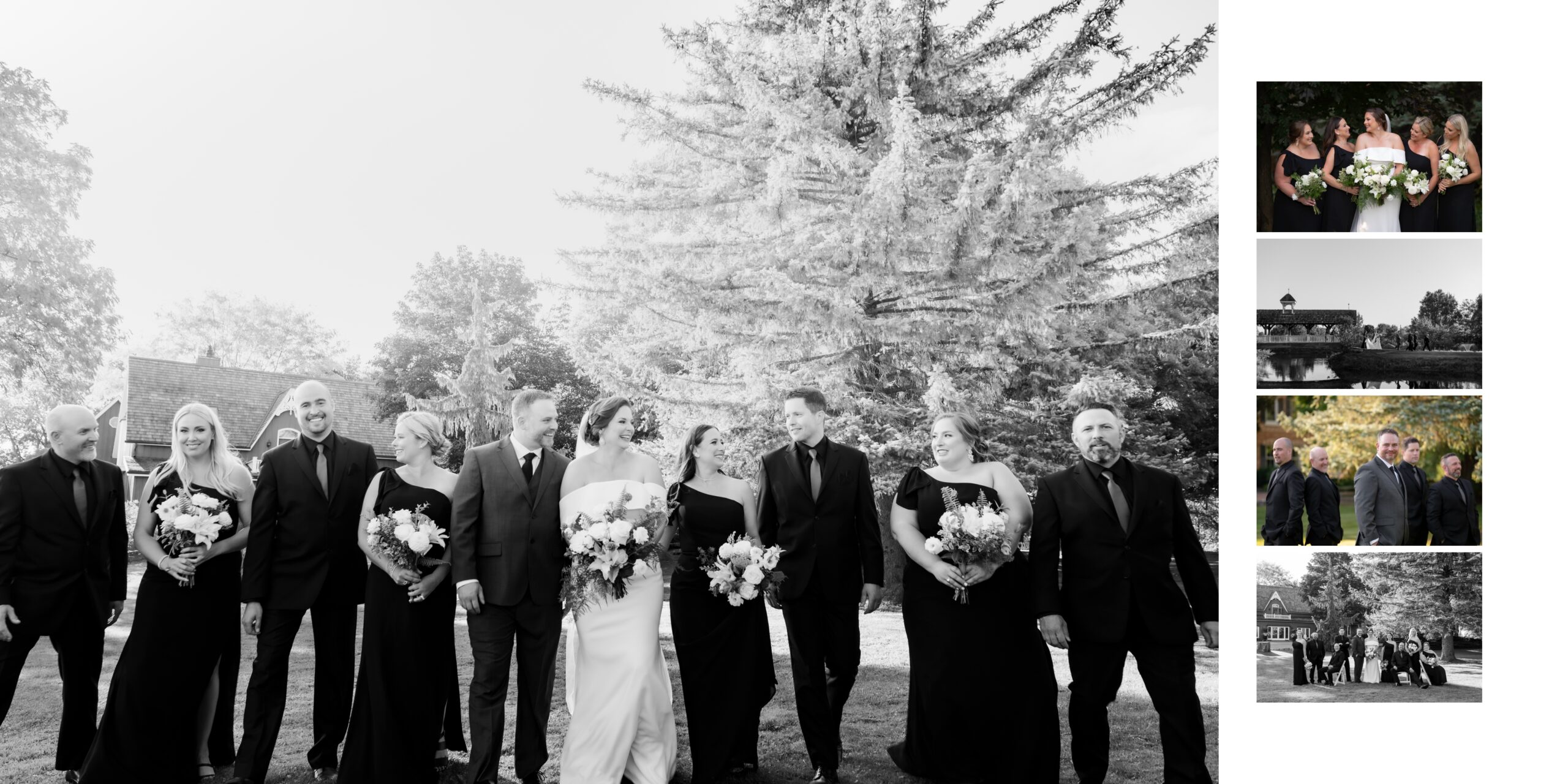
You can have photographs of the wedding party.
But those photographs can exist alongside the unscripted moments.
The difference is that the entire wedding doesn’t have to become one long photo shoot.
There can be structure when structure is useful.
And freedom when freedom matters.
Look for a Photographer Who Observes
When you’re choosing your wedding photographer, don’t only look at the hero images.
Look at the entire wedding gallery.
Ask yourself:
Do the photographs tell a story?
Do they show relationships?
Are there quiet moments?
Are there photographs of guests?
Are people interacting naturally?
Do the images feel different from one another?
Can you understand what the wedding felt like?
Does the photographer capture what happens between the scheduled events?
Most importantly:
Do the photographs feel real?
That’s often a better question than simply asking whether they’re beautiful.
Because beautiful photographs can be created in many ways.
Photographs that genuinely preserve a person’s memories require something more.
They require observation.
Timing.
Empathy.
Anticipation.
Patience.
And an understanding that the wedding belongs to the people experiencing it—not the photographer.
Your Wedding Should Be Experienced, Not Performed
Your wedding day isn’t a production.
It’s a gathering of people who love you.
It’s a milestone.
It’s a celebration.
It’s a collection of relationships and memories happening simultaneously.
You shouldn’t have to spend the entire day thinking about where the camera is.
You should be able to experience your wedding.
And your photographer should be capable of documenting that experience without constantly interrupting it.
That’s the beauty of an unscripted, candid, journalistic approach.
The photographs don’t tell you what your wedding was supposed to look like.
They show you what it actually felt like.
And years from now, when the flowers are gone, the invitations are tucked away, the dress is stored, and the music has stopped, those photographs will remain.
Not just as evidence that you were there.
But as a record of who was there, what happened, how everyone felt, and how it all unfolded.
That is why choosing a photographer who knows how to observe, anticipate, and document rather than constantly direct can be one of the most meaningful decisions you make for your wedding.
Because the moments you never knew were happening may eventually become the photographs you treasure most.
leave a comment